Loading…
Free local component history and re-check system
Change the component. Re-check the evidence it can change.
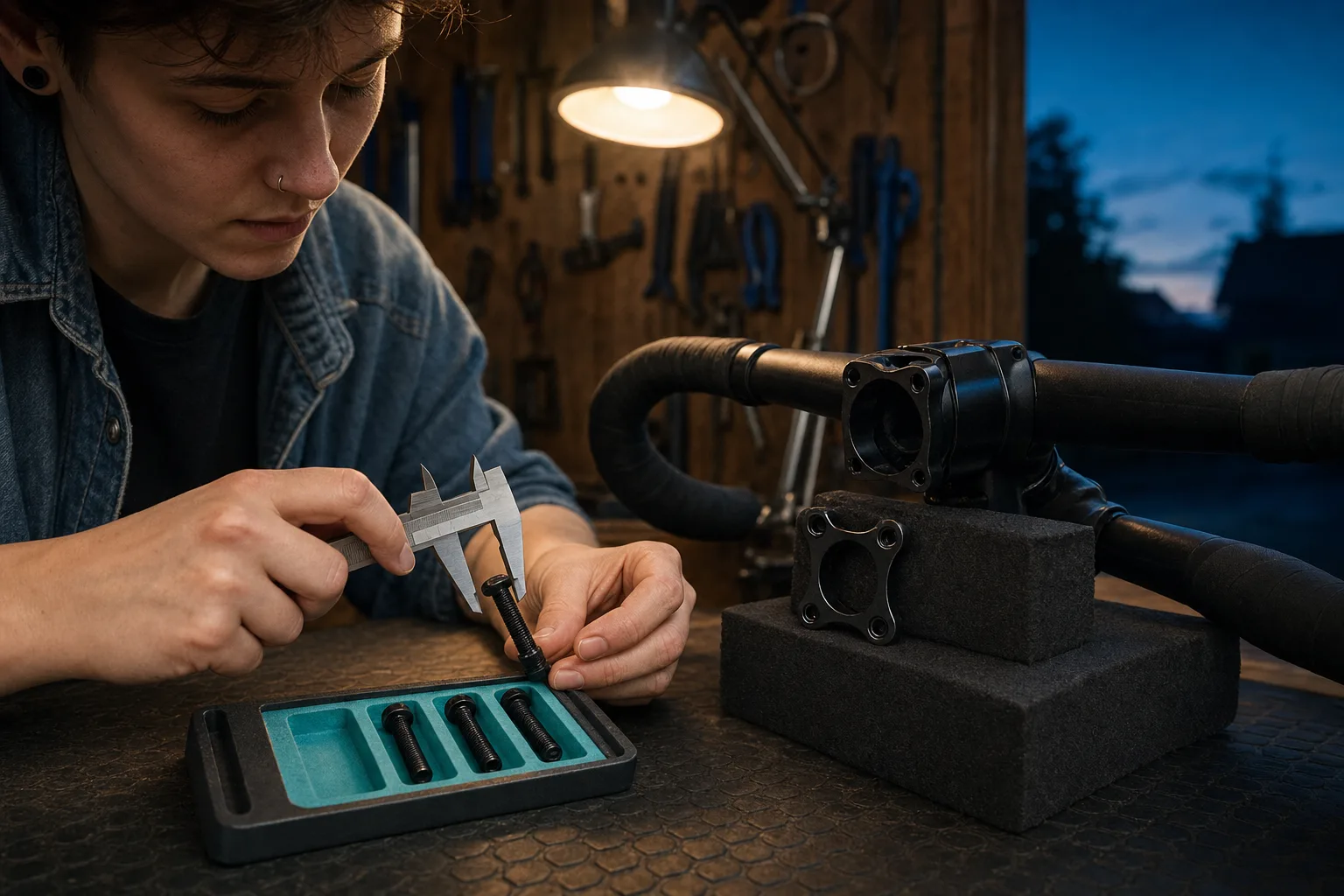
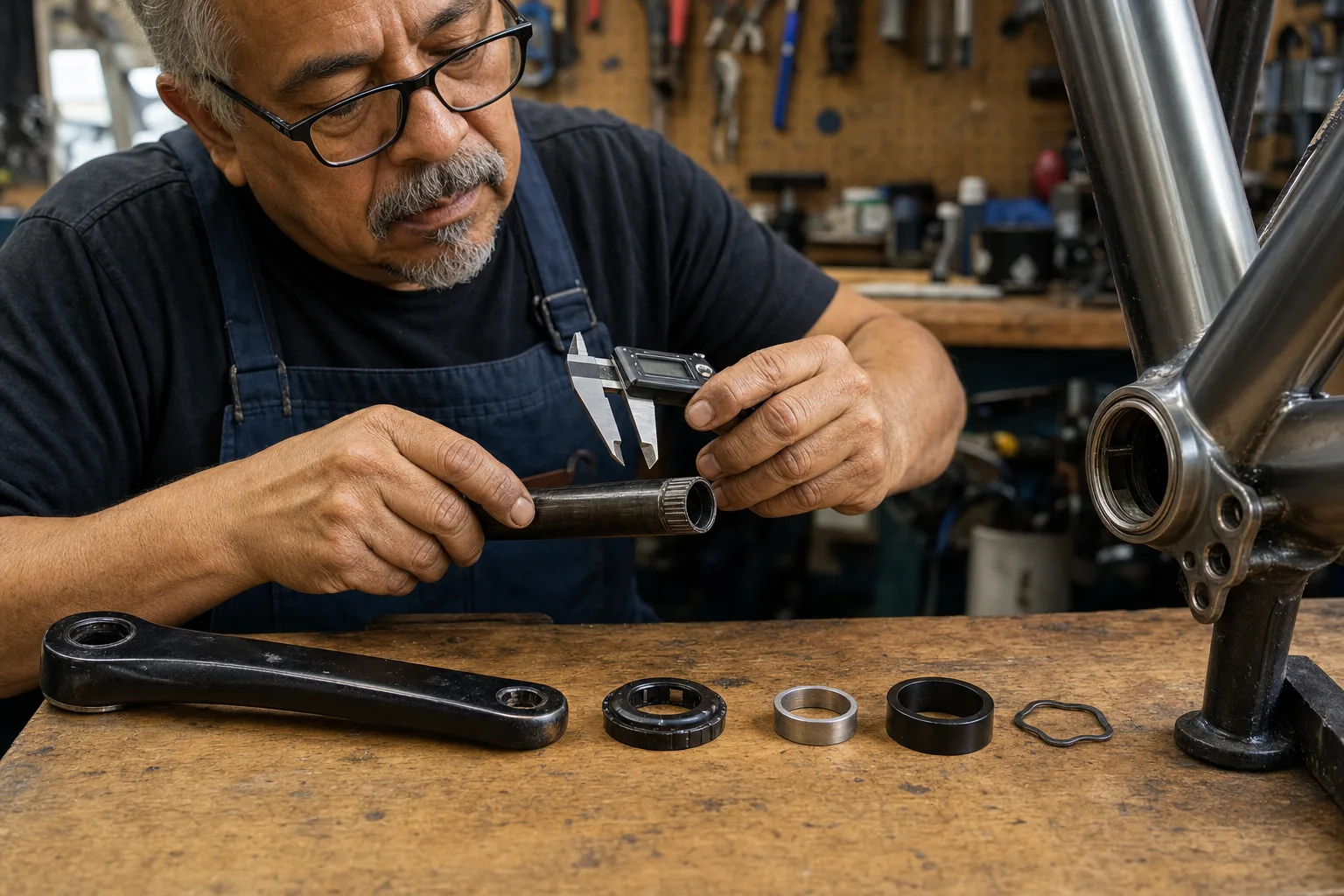
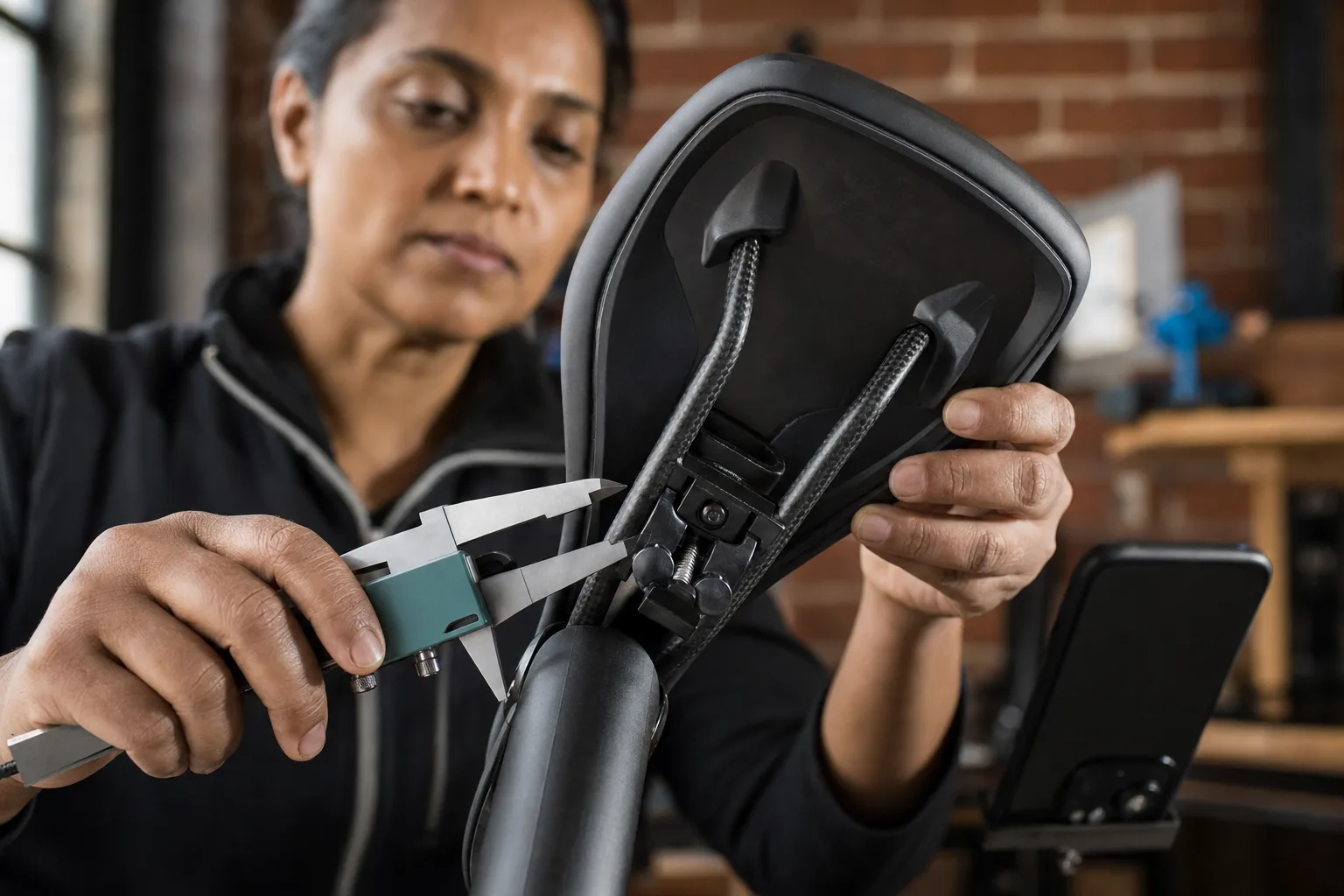
One physical identity at a time
A component change is more than editing a model name
The useful record connects the displaced part, the exact candidate, the installation source, affected fit coordinates and the decision after real rides. Unrelated baselines stay intact.
A new saddle, stem, crank or cleat can make an old bike-fit baseline incomplete even when the bike still looks familiar. OpenBikeFit freezes the current part, maps only the measurements that replacement can affect, carries one exact candidate through a mechanic hand-off and closes the change with repeated physical coordinates plus a separate ride decision. Nothing is uploaded, and the result is a component history—not a maintenance interval, compatibility approval or fit score.
9 hardware slotsNo accountLocal IndexedDBRed flags stop
Local workspace
Preparing your private component history…
The workflow loads on this device when it approaches the viewport. No bike profile or component identity is requested from a server.
The complete lifecycle
From current part to a defensible new baseline
The workflow deliberately separates identity, installation, physical measurement and rider experience. A manufacturer/model record says what the component is. Mechanic gates say which procedure was used. Repeated measurements describe the assembled bike. The ride report describes the rider's experience. None of those facts substitutes for another.
Freeze the part that is actually on the bike
Choose one saved bike and one of its exact component slots. The current manufacturer, model, variant and rider-saved source are copied into an immutable baseline before a candidate is considered.
See exactly which fit evidence becomes stale
A saddle does not invalidate crank length, and a cleat does not erase cockpit coordinates. The impact map names only the affected passport fields, datum checks and camera baseline, while explicitly preserving unrelated measurements.
Install from model-specific instructions
The candidate stays a plan until its exact public manual pointer, copied procedure and torque reference are present and a qualified mechanic confirms compatibility, fasteners, routing, security and control function.
Measure, ride and decide
Repeat the affected physical coordinates, add a third reading when the first pair disagrees, ride two or three ordinary rides and record comfort separately. Keep retires the displaced part; revert restores it; a stop signal records no invented fit result.
Narrow invalidation
Keep unaffected evidence usable
Replacing a stem can require fresh cockpit coordinates and a camera baseline without erasing a repeatable saddle-height measurement. Replacing pedals or cleats calls for a new cleat/control check and movement baseline without pretending that saddle setback changed. The Studio shows both lists: what needs fresh evidence and what remains valid.
Important limits
No generic torque. No automatic compatibility claim.
OpenBikeFit does not identify unseen hardware, choose compatible standards, prescribe service intervals or replace the exact frame, fork and component instructions. A low-risk screen result does not approve a physical installation. Stop for damaged parts, uncertain interfaces, insufficient clamp engagement, unsafe routing, brake or shift problems, loss of control, sudden or worsening pain, numbness or weakness.
Use the right specialist workflow when the part demands it
This lifecycle owns the component record and stale-evidence decision. Use the crank assistant for crank/saddle coupling, Frame Transfer Studio for a new frame and cockpit build, the cleat assistant for a controlled cleat axis, or My Bikes to capture a fresh structured datum. Those workflows feed one local passport rather than becoming disconnected calculators.